

What Is a 3-Season Sunroom?
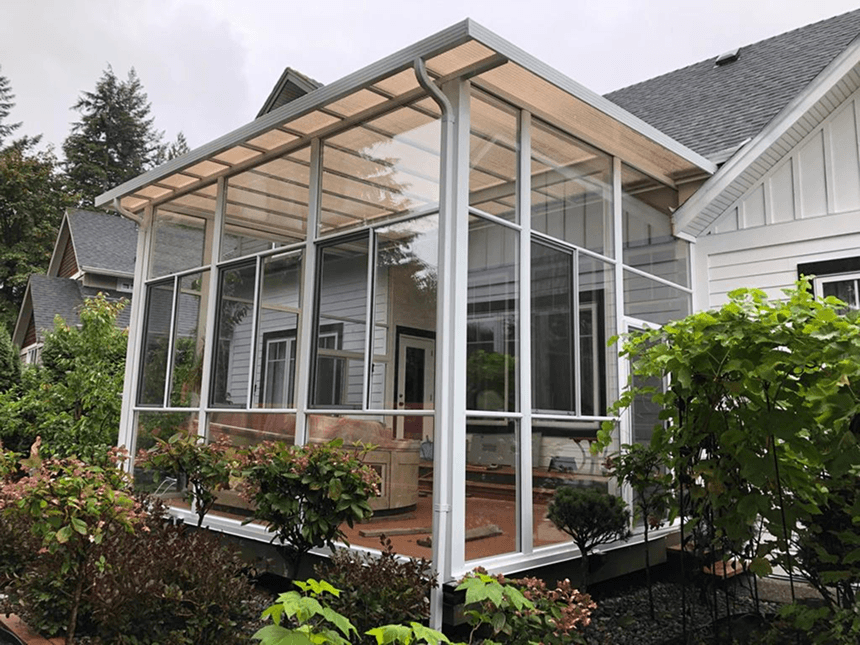
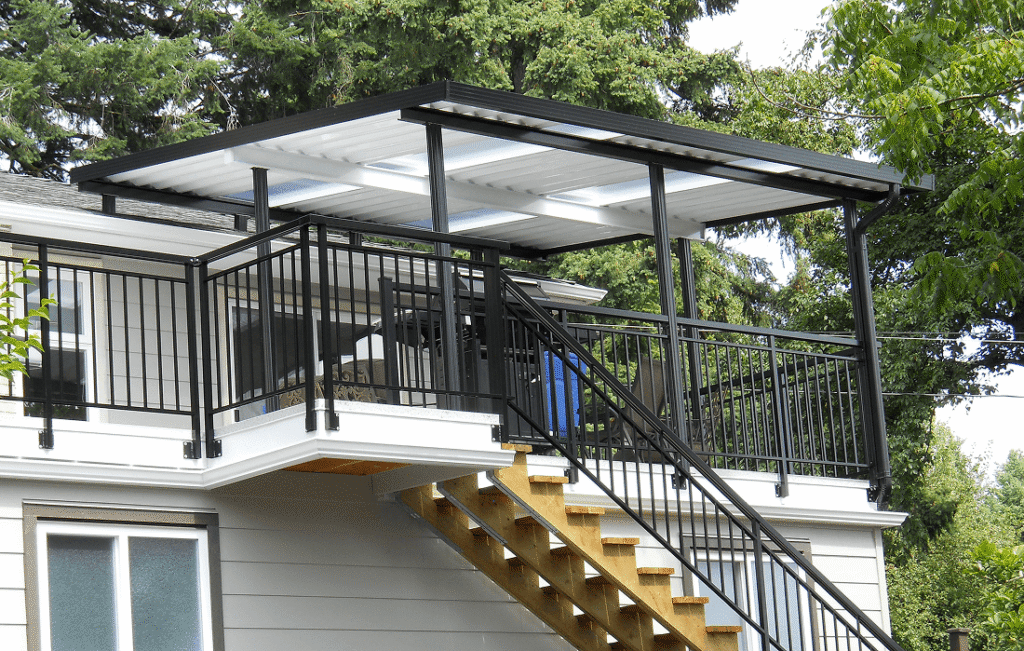
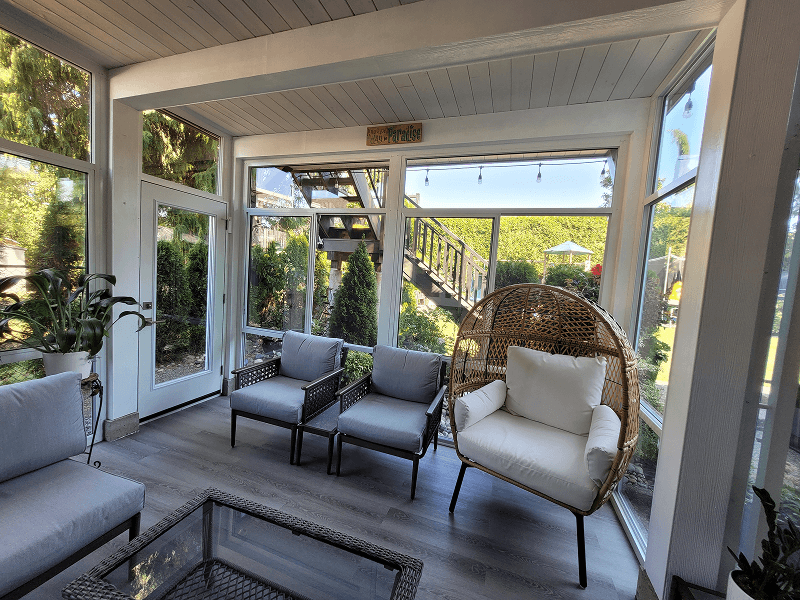
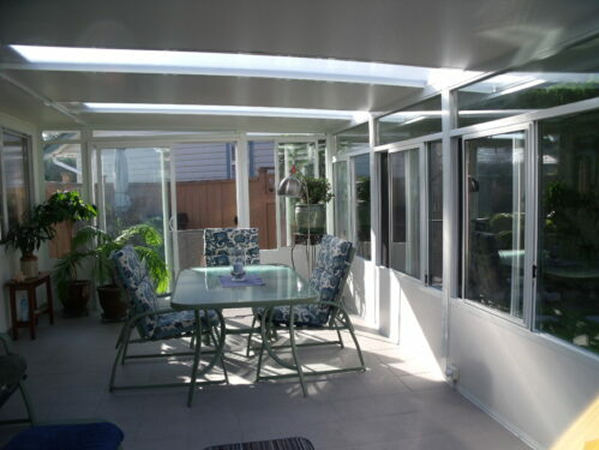
A 3-season sunroom is designed for use during the milder months of the year—typically spring, summer, and fall. These rooms usually feature large windows or screens that allow plenty of sunlight and fresh air while protecting you from rain and wind.
However, because they typically have minimal insulation and limited temperature control, they may become too cold during winter or too hot during peak summer heat.
Best for:
- Relaxing, entertaining, or dining in warmer months
- Extending outdoor living space at a lower cost
- The intended use will not require full insulation and heating.
What Is a 4-Season Sunroom?
A 4-season sunroom is designed for comfortable use all year long. These rooms are built with insulated walls, energy-efficient windows, and often include heating and cooling systems to maintain consistent temperatures regardless of outdoor weather.
Because they are built more like a traditional room addition—with better insulation and structural materials, many 4-season sunrooms can even be considered part of the home’s livable square footage.
Best for:
- Year-round living spaces such as lounges, dining rooms, or home offices
- Homes in colder climates
- Homeowners seeking maximum comfort and long-term value
| Feature | 3-Season Sunroom | 4-Season Sunroom |
|---|---|---|
| Seasonal Use | Spring to Fall | Year-round |
| Insulation | Minimal or none | Fully insulated |
| Windows | Single or double pane | Double or triple pane |
| Climate Control | None or small unit | Integrated heating & cooling systems |
| Cost | Lower upfront cost | Higher investment but more versatile |
Three-season sunrooms are typically more affordable and quicker to install, while four-season sunrooms provide greater comfort and functionality throughout the entire year.
Which Option Is Right for You?
The right choice depends on how you plan to use the space.
- Choose a 3-season sunroom if you want a cost-effective way to enjoy outdoor views and extend your patio season.
- Choose a 4-season sunroom if you want a true home addition that can be used every day, regardless of the weather.
Both options create a bright and inviting space that connects your home with the outdoors. The key is choosing the one that fits your climate, lifestyle, and long-term goals.